
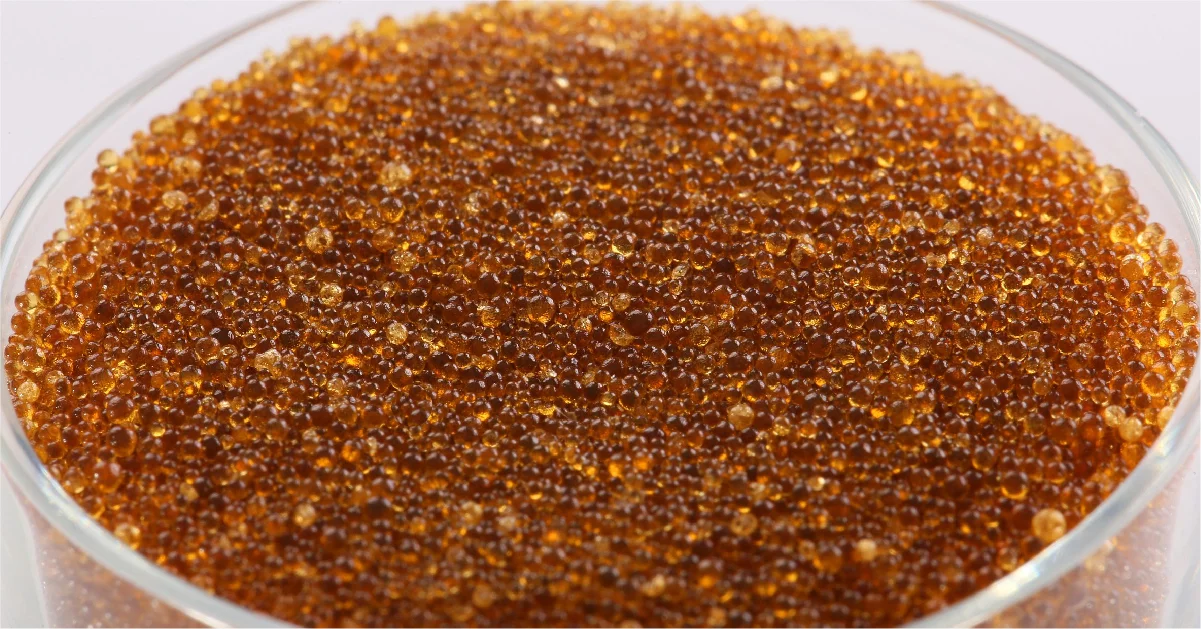
How Water Softening Resins Enable Efficient and Sustainable Water Treatment
Water is a critical resource across industries, commercial facilities, and residential applications. However, hard water containing excessive levels of calcium and magnesium can create significant operational challenges, including scale formation, reduced equipment efficiency, increased maintenance requirements, and higher energy consumption.
Water softening resins play a crucial role in overcoming these challenges. Using ion exchange technology, these specialized resins remove hardness-causing minerals from water, helping organizations improve operational performance while supporting sustainable water management practices.
Understanding Water Hardness
Water hardness occurs when groundwater dissolves naturally occurring minerals such as calcium and magnesium from rocks and soil. While these minerals are not harmful to human health, they can negatively impact water systems and industrial processes.
Common issues associated with hard water include:
- Scale buildup in pipelines, boilers, and heat exchangers
- Reduced efficiency of water-based equipment
- Increased consumption of detergents and cleaning chemicals
- Higher maintenance and operational costs
- Shortened lifespan of appliances and industrial systems
Water softening helps eliminate these problems by removing hardness-causing ions before they can cause damage.
What Are Water Softening Resins?
Water softening resins are specially engineered polymer beads designed to remove calcium and magnesium ions from water through an ion exchange process. The resin contains active functional groups that attract hardness ions and replace them with sodium or other suitable ions.
This technology is widely used because of its reliability, efficiency, and ability to deliver consistent water quality across a wide range of applications.
How Water Softening Resins Work
The water softening process is based on ion exchange technology.
- Hard water enters the resin vessel.
- Calcium and magnesium ions are attracted to the resin beads.
- The resin releases sodium ions into the water.
- Hardness minerals remain attached to the resin surface.
- Softened water exits the system for use.
Over time, the resin becomes saturated with hardness ions and requires regeneration. During regeneration, a concentrated brine solution restores the resin’s ion exchange capacity, allowing it to continue removing hardness minerals effectively.
Key Benefits of Water Softening Resins
1. Improved Equipment Performance
Scale deposits can significantly reduce heat transfer efficiency in boilers, cooling systems, and heat exchangers. Softened water minimizes scale formation, helping equipment operate at peak performance.
2. Reduced Maintenance Costs
Preventing mineral buildup reduces the need for frequent cleaning, repairs, and equipment replacement, lowering overall maintenance expenses.
3. Enhanced Process Efficiency
Many industrial processes require consistent water quality. Water softening helps maintain operational stability and improves process reliability.
4. Extended Equipment Lifespan
By reducing scaling and corrosion risks, water softening systems help prolong the life of critical infrastructure and equipment.
5. Lower Chemical Consumption
Soft water improves the effectiveness of soaps, detergents, and cleaning agents, resulting in reduced chemical usage and cost savings.
Sustainability Benefits of Modern Water Softening Systems
Optimized Water Usage
Advanced regeneration systems help reduce water consumption by regenerating only when necessary, improving overall system efficiency.
Improved Energy Efficiency
Scale-free equipment requires less energy to operate, helping facilities reduce energy consumption and associated greenhouse gas emissions.
Reduced Resource Waste
Modern resin technologies offer long service life and high durability, reducing material waste and replacement frequency.
Support for Sustainable Operations
Efficient water treatment systems contribute to responsible resource management and help organizations achieve their sustainability goals.
Applications of Water Softening Resins
- Power generation
- Chemical manufacturing
- Food and beverage processing
- Pharmaceutical production
- Textile manufacturing
- Hospitality and commercial facilities
- Municipal water treatment
- Industrial utilities and process plants
Choosing the Right Water Softening Resin
Selecting the appropriate resin depends on several operational factors, including:
- Feed water quality
- Hardness concentration
- Flow rate requirements
- Operating temperature
- Regeneration efficiency
- Expected resin lifespan
- Industry-specific requirements
A properly selected resin can significantly improve system performance, reduce operating costs, and maximize return on investment.
The Future of Water Softening Technology
Growing concerns about water conservation and operational efficiency are driving innovation in ion exchange technologies. New-generation resins are being developed with enhanced capacity, improved durability, and greater regeneration efficiency.
As industries continue to prioritize sustainable water management, water softening resins will remain a key technology for improving water quality while reducing environmental impact.
Conclusion
Water softening resins are an essential part of modern water treatment systems. By effectively removing hardness-causing minerals through ion exchange, they help improve equipment performance, reduce maintenance costs, enhance process efficiency, and support sustainability initiatives.
Whether used in industrial facilities, commercial buildings, or municipal water treatment systems, water softening resins continue to play a vital role in ensuring reliable, efficient, and sustainable water management.