
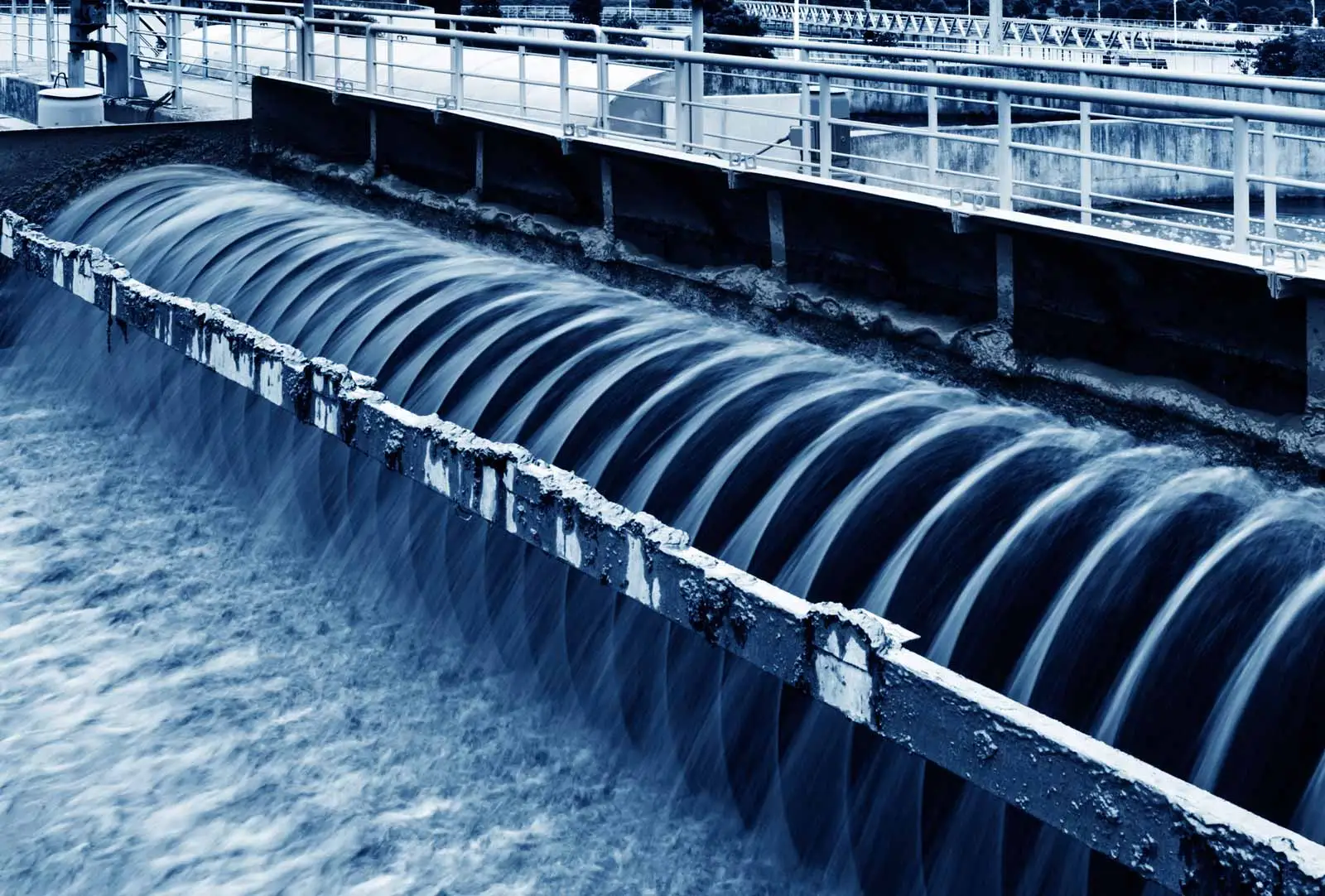
Industrial Water Recycling: The Key to Sustainable Manufacturing
Water is one of the most valuable resources in industrial operations. From chemical processing and manufacturing to power generation and food production, industries rely heavily on water for cooling, cleaning, processing, and operational efficiency. However, increasing water scarcity, rising environmental concerns, and stricter sustainability expectations are pushing industries worldwide to rethink how water is managed.
Industrial water recycling has emerged as a practical and sustainable solution that helps businesses reduce freshwater consumption, minimize wastewater discharge, and improve long-term operational resilience.
Understanding Industrial Water Recycling
Industrial water recycling refers to the process of treating and reusing wastewater generated during industrial operations. Instead of disposing of used water after a single cycle, advanced treatment technologies allow industries to recover and reuse water for various applications within the facility.
This approach supports both environmental sustainability and cost optimization by reducing dependency on freshwater sources while lowering wastewater treatment and disposal expenses.
Modern recycling systems can treat water for reuse in:
- Cooling towers
- Boiler feed systems
- Process water applications
- Equipment cleaning
- Utility operations
Depending on the industry and water quality requirements, recycling systems may include filtration, membrane separation, biological treatment, reverse osmosis, and advanced oxidation technologies.
Why Water Recycling Matters for Industries
Global industrial growth continues to increase pressure on freshwater resources. Many regions already face water stress, making sustainable water management a critical business priority rather than just an environmental initiative.
Industrial water recycling offers several important advantages:
Reduced Freshwater Consumption
Recycling treated wastewater significantly decreases the need for freshwater intake. This is especially important for industries operating in regions with limited water availability or rising water costs.
Lower Environmental Impact
By minimizing wastewater discharge, industries can reduce pollution risks and support cleaner ecosystems. Sustainable water practices also help organizations align with environmental regulations and corporate sustainability goals.
Improved Operational Efficiency
Water recycling systems help ensure a stable and reliable water supply for industrial operations. This reduces dependency on external water sources and helps facilities maintain consistent production.
Cost Savings Over Time
Although implementing recycling systems requires initial investment, long-term savings can be achieved through reduced water procurement costs, lower discharge fees, and improved resource efficiency.
Stronger Sustainability Credentials
Customers, investors, and stakeholders increasingly expect industries to adopt environmentally responsible practices. Water recycling demonstrates commitment to sustainability and supports stronger brand reputation.
Technologies Driving Industrial Water Recycling
Advancements in water treatment technologies have made industrial recycling systems more efficient and scalable than ever before.
Some of the most widely used technologies include:
Membrane Filtration
Membrane-based systems such as ultrafiltration (UF) and reverse osmosis (RO) remove dissolved impurities, suspended solids, and contaminants from wastewater, producing high-quality reusable water.
Biological Treatment
Biological treatment processes use microorganisms to break down organic pollutants commonly found in industrial effluents.
Evaporation and Concentration Systems
Thermal technologies help recover water from highly concentrated wastewater streams while reducing liquid waste volume.
Advanced Oxidation Processes
Advanced oxidation technologies effectively remove complex contaminants and improve overall water quality for reuse applications.
Industries Benefiting from Water Recycling
Industrial water recycling is being adopted across a wide range of sectors, including:
- Chemical manufacturing
- Pharmaceuticals
- Food and beverage processing
- Textile production
- Power generation
- Mining and metal processing
- Automotive manufacturing
Each industry requires customized treatment strategies based on wastewater composition, operational demands, and reuse objectives.
The Future of Sustainable Water Management
As industries continue to prioritize sustainability and resource efficiency, water recycling will play an increasingly important role in future manufacturing strategies.
Emerging innovations such as smart monitoring systems, AI-driven process optimization, and energy-efficient treatment technologies are making industrial water recycling more effective and economically viable.
Organizations that invest in sustainable water infrastructure today will be better prepared to meet future environmental challenges while improving operational performance and long-term resilience.
Conclusion
Industrial water recycling is no longer just an environmental consideration — it is becoming an essential component of sustainable manufacturing. By recovering and reusing wastewater, industries can reduce environmental impact, improve resource efficiency, and strengthen long-term operational sustainability.
As global industries move toward smarter and more responsible manufacturing practices, advanced water recycling solutions will continue to shape the future of industrial operations.