
From Wastewater to Water Asset: Building a Circular Water Economy
Water scarcity is becoming one of the most pressing challenges for industries, municipalities, and communities worldwide. Rapid urbanization, industrial expansion, climate change, and increasing demand for freshwater resources are putting unprecedented pressure on existing water supplies. Traditionally, wastewater has been viewed as a waste product that must be treated and discharged. However, this perspective is rapidly changing.
Today, forward-thinking organizations are recognizing wastewater as a valuable resource that can be recovered, treated, and reused. This shift is driving the development of a circular water economy—a sustainable approach that transforms wastewater from an environmental burden into a strategic asset.
At Mapril, we believe that efficient water management is essential for building resilient industries and sustainable communities. By embracing advanced water treatment technologies and reuse strategies, organizations can reduce freshwater consumption, lower operational costs, and contribute to long-term water security.
Understanding the Circular Water Economy
A circular water economy is based on the principle of maximizing water reuse and minimizing waste throughout the water cycle. Instead of following the traditional “take-use-discharge” model, water is continuously recovered, treated, and reused wherever possible.
In a circular water system:
- Wastewater is collected and treated efficiently.
- Valuable resources are recovered from wastewater streams.
- Treated water is reused for industrial, agricultural, or municipal applications.
- Freshwater withdrawal is reduced.
- Environmental impact is minimized.
This approach helps create a sustainable water ecosystem where every drop of water delivers maximum value before returning safely to the environment.
Why Wastewater Should Be Considered an Asset
1. A Reliable Alternative Water Source
As freshwater resources become increasingly limited, treated wastewater offers a dependable alternative supply. Industries can reuse treated water for cooling towers, boilers, process operations, landscaping, and utility applications.
This reduces dependence on freshwater sources and ensures operational continuity during periods of water scarcity.
2. Reduced Operational Costs
Water procurement, treatment, and discharge expenses continue to rise. By implementing wastewater recycling systems, organizations can significantly reduce:
- Freshwater purchasing costs
- Effluent discharge charges
- Water transportation expenses
- Environmental compliance costs
The long-term savings often justify the investment in advanced treatment infrastructure.
3. Improved Environmental Sustainability
Water reuse reduces pressure on rivers, lakes, groundwater reserves, and municipal water systems. It also lowers the volume of wastewater discharged into natural water bodies, helping protect ecosystems and biodiversity.
Organizations adopting circular water practices can strengthen their sustainability initiatives and support ESG goals.
Key Technologies Enabling Water Reuse
Modern water treatment technologies have made wastewater recovery more efficient and economically viable than ever before.
Membrane Filtration Systems
Membrane technologies such as Ultrafiltration (UF), Nanofiltration (NF), and Reverse Osmosis (RO) remove suspended solids, dissolved contaminants, and microorganisms, producing high-quality reusable water.
Biological Treatment Systems
Biological treatment processes use naturally occurring microorganisms to break down organic pollutants and improve wastewater quality.
Common technologies include:
- Activated Sludge Process (ASP)
- Moving Bed Biofilm Reactor (MBBR)
- Sequencing Batch Reactor (SBR)
- Membrane Bioreactor (MBR)
Advanced Oxidation Processes
Advanced oxidation technologies help eliminate persistent contaminants and improve water quality for reuse applications.
Ion Exchange Systems
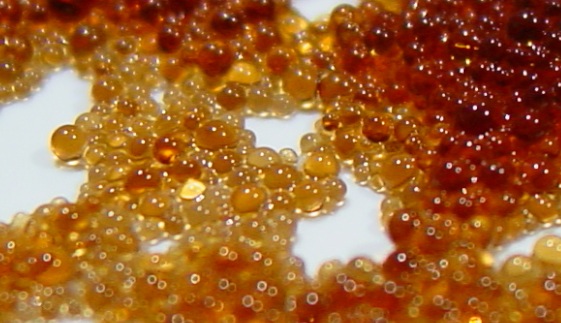
Ion exchange technology effectively removes dissolved minerals, hardness, and specific contaminants, making treated water suitable for various industrial processes.
Industrial Applications of Recycled Water
Manufacturing
- Cooling systems
- Equipment cleaning
- Process water applications
- Utility operations
Power Generation
Power plants utilize treated wastewater in cooling towers and boiler feed systems, reducing freshwater demand significantly.
Food and Beverage
Advanced treatment technologies enable water recovery for non-product contact applications, helping facilities improve sustainability performance.
Commercial Buildings and Infrastructure
- Landscape irrigation
- Toilet flushing
- HVAC systems
- General maintenance activities
Benefits of Adopting a Circular Water Strategy
Enhanced Water Security
Water reuse creates an additional water source, reducing vulnerability to supply disruptions and seasonal shortages.
Regulatory Compliance
Governments worldwide are introducing stricter wastewater discharge and water conservation regulations. Circular water systems help organizations stay compliant while improving operational efficiency.
Stronger Sustainability Performance
Investors, customers, and stakeholders increasingly expect organizations to demonstrate responsible resource management. Water recycling initiatives support environmental commitments and strengthen brand reputation.
Long-Term Cost Efficiency
Although treatment systems require initial investment, the reduction in freshwater consumption and wastewater disposal costs often generates substantial long-term savings.
Challenges and How to Overcome Them
While the benefits are significant, organizations may face challenges such as:
- Initial capital investment
- Technology selection
- Operational expertise requirements
- Regulatory approvals
Partnering with experienced water treatment specialists can help businesses design customized solutions that align with operational needs, water quality requirements, and sustainability objectives.
The Future of Water Management
The future of water management lies in resource recovery and reuse. Smart monitoring systems, digital water management platforms, advanced treatment technologies, and decentralized treatment solutions are accelerating the transition toward circular water economies.
Organizations that invest in water reuse today will be better positioned to address future water challenges while improving operational resilience and sustainability performance.
Conclusion
The perception of wastewater is changing. No longer viewed merely as a waste stream, it is increasingly recognized as a valuable resource capable of supporting sustainable growth and long-term water security.
By adopting a circular water economy approach, industries and municipalities can transform wastewater into a strategic asset, reduce environmental impact, optimize operational costs, and safeguard precious freshwater resources.
At Mapril, we are committed to delivering innovative water treatment solutions that help organizations unlock the value of wastewater and move toward a more sustainable and water-secure future.