
Cooling Water Treatment Best Practices: Maximizing Industrial System
Cooling water systems play a vital role in maintaining the efficiency and reliability of industrial operations. From manufacturing plants and power stations to chemical processing facilities, these systems help regulate operating temperatures and protect critical equipment. However, without an effective water treatment program, cooling systems become susceptible to scale formation, corrosion, biological fouling, and reduced heat transfer efficiency.
A well-planned cooling water treatment strategy combines specialty chemicals, continuous monitoring, and optimized dosing practices to maximize equipment performance, lower maintenance costs, and extend system lifespan. By maintaining proper water chemistry, industries can improve operational efficiency while reducing water and energy consumption.
Why Cooling Water Treatment Is Essential
Cooling towers and recirculating cooling water systems continuously concentrate dissolved minerals and impurities as water evaporates. Without appropriate treatment, these contaminants can negatively impact system performance and increase operating costs.
Common problems associated with untreated cooling water include:
- Scale deposits that reduce heat transfer efficiency
- Corrosion of pipelines, condensers, and heat exchangers
- Growth of bacteria, algae, and fungi that form biofilms
- Higher energy consumption
- Frequent maintenance and equipment downtime
- Reduced operational life of cooling system components
An optimized treatment program helps eliminate these issues while ensuring smooth and uninterrupted plant operations.
Major Challenges in Industrial Cooling Water Systems
Scale Formation
Minerals such as calcium and magnesium naturally present in water can precipitate under elevated temperatures, forming hard deposits on heat transfer surfaces. These deposits decrease thermal efficiency and increase energy requirements.
Corrosion
Improper water chemistry accelerates corrosion of metallic components, leading to equipment damage, leaks, reduced system reliability, and expensive repairs.
Biological Fouling
Warm recirculating water provides favorable conditions for bacteria, algae, and fungi. Their growth forms biofilms that reduce heat transfer efficiency and promote microbiologically influenced corrosion (MIC).
Suspended Solids and Fouling
Dust, dirt, process contaminants, and suspended particles accumulate within cooling systems, restricting water flow and reducing overall performance.
Key Chemicals Used in Cooling Water Treatment
An effective cooling water treatment program uses multiple chemical formulations that work together to maintain optimum water quality.
Scale Inhibitors
Scale inhibitors prevent dissolved minerals from crystallizing and depositing on heat exchange surfaces, maintaining efficient thermal performance.
Corrosion Inhibitors
These specialty chemicals form protective layers on metal surfaces, minimizing corrosion and extending the life of valuable equipment.
Biocides
Biocides effectively control bacteria, algae, fungi, and other microorganisms responsible for biological fouling and biofilm formation.
Dispersants
Dispersants help keep suspended solids evenly distributed in the circulating water, preventing sludge accumulation and deposit formation.
pH Control Chemicals
Maintaining the correct pH range is essential to maximize chemical effectiveness while preventing both scaling and corrosion.
Factors to Consider When Selecting a Cooling Water Treatment Program
Since every industrial facility operates under different conditions, treatment programs should be designed according to specific operational requirements. Key factors include:
- Quality of make-up water
- Water hardness and total dissolved solids (TDS)
- Cooling system design (open-loop or closed-loop)
- Operating temperature
- Cycles of concentration
- Environmental discharge regulations
- Water conservation and reuse objectives
A customized treatment program ensures maximum protection while optimizing operational efficiency.
The Importance of Water Monitoring and Chemical Dosing
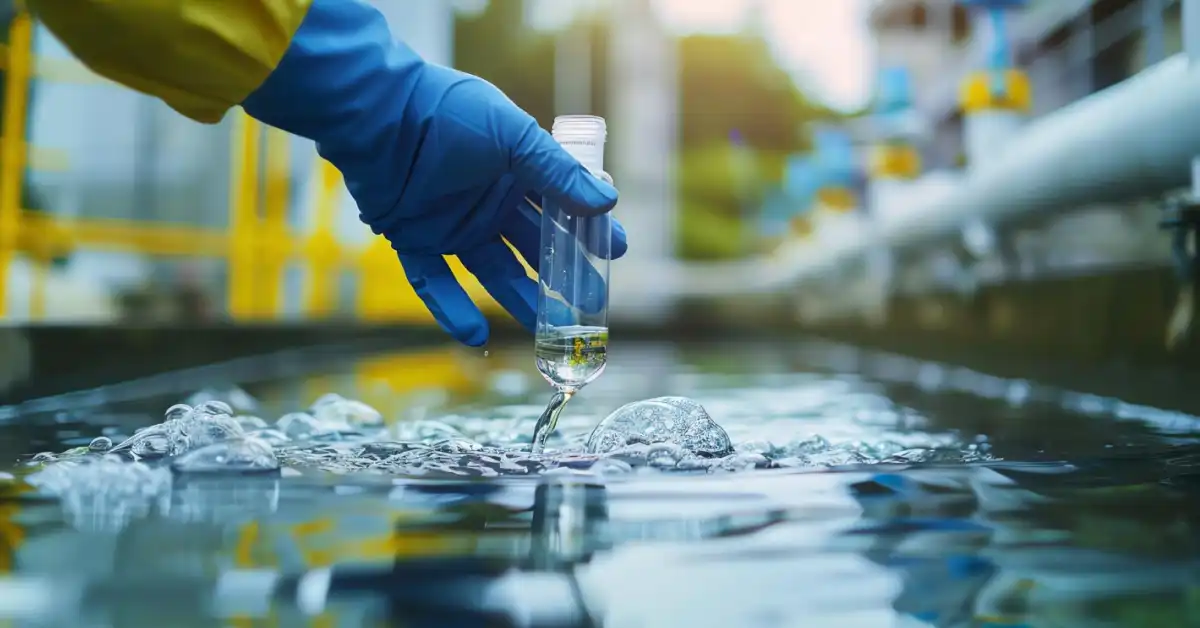
Even high-quality treatment chemicals require precise dosing and regular monitoring to deliver consistent performance. Automated dosing systems integrated with online monitoring technologies help maintain stable water quality while reducing chemical wastage.
Important parameters that should be monitored include:
- pH
- Conductivity
- Corrosion rate
- Microbial activity
- Chemical residual concentration
Continuous monitoring enables industries to detect potential issues early, preventing costly downtime and maintaining system efficiency.
Benefits of an Optimized Cooling Water Treatment Program
- Improved heat transfer efficiency
- Lower energy consumption
- Reduced scale and corrosion
- Effective microbial control
- Longer equipment life
- Lower maintenance costs
- Reduced plant downtime
- Better water conservation
- Compliance with environmental regulations
- Lower overall operating costs
Mapril’s Cooling Water Treatment Solutions
Mapril offers advanced industrial water treatment solutions designed to improve cooling system performance across various industries. Our customized treatment programs are developed to control scaling, corrosion, fouling, and microbial growth while helping organizations reduce operational costs and improve sustainability.
Our solutions include:
- Customized cooling water treatment chemicals
- Scale and corrosion control programs
- High-performance biocide solutions
- Automated chemical dosing systems
- Water quality monitoring solutions
- Technical consultation and process optimization
By combining specialty chemicals with technical expertise, Mapril helps industries achieve reliable cooling water management, improved equipment performance, and long-term operational efficiency.
Conclusion
Cooling water treatment is an essential part of industrial water management. An effective treatment program protects valuable equipment from scale, corrosion, and biological fouling while improving energy efficiency and reducing maintenance costs. Through customized treatment solutions, regular monitoring, and optimized chemical dosing, industries can maximize plant performance, minimize downtime, and support sustainable water usage.
Partner with Mapril to implement advanced cooling water treatment solutions tailored to your industrial processes and achieve reliable, cost-effective system performance.