
Smart Water Softening: Enhancing Efficiency with Next-Generation Resins
Hard water is a common challenge across industries, commercial facilities, and residential applications. The presence of dissolved minerals such as calcium and magnesium can lead to scale formation, reduced equipment efficiency, increased maintenance costs, and higher energy consumption. As businesses strive to optimize operations and improve sustainability, traditional water softening methods are evolving to meet modern demands.
The emergence of next-generation ion exchange resins is transforming water softening systems by delivering greater efficiency, longer service life, improved regeneration performance, and reduced environmental impact. These advanced resin technologies are helping industries achieve better water quality while supporting resource conservation and operational excellence.
At Mapril, we understand that efficient water treatment is critical for maintaining process reliability, reducing operational costs, and achieving sustainability goals. Smart water softening solutions powered by advanced resins are becoming an essential component of modern water management strategies.
Understanding Hard Water and Its Impact
Hard water contains elevated levels of dissolved minerals, primarily calcium and magnesium ions. While these minerals are not harmful to human health, they can create significant operational challenges in industrial and commercial systems.
Common effects of hard water include:
- Scale buildup in pipelines and heat exchangers
- Reduced boiler and cooling system efficiency
- Increased energy consumption
- Frequent equipment maintenance and downtime
- Shortened lifespan of water-based systems
- Higher chemical and operational costs
Without effective treatment, hard water can negatively impact productivity and increase long-term operational expenses.
The Evolution of Water Softening Technology
Traditional water softening systems rely on ion exchange technology to replace hardness-causing calcium and magnesium ions with sodium ions. While this process remains highly effective, advancements in resin technology have significantly improved system performance.
Modern water softening solutions now incorporate next-generation resins that offer:
- Higher ion exchange capacity
- Improved regeneration efficiency
- Enhanced durability
- Lower water and salt consumption
- Better resistance to fouling and oxidation
- Longer operational life
These innovations are helping industries maximize efficiency while minimizing resource usage.
How Next-Generation Resins Work
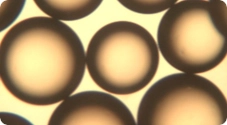
Advanced ion exchange resins consist of specially engineered polymer beads designed to selectively remove hardness ions from water. As hard water passes through the resin bed, calcium and magnesium ions are exchanged with sodium ions, producing softened water suitable for various applications.
Once the resin reaches its capacity, a regeneration process restores its effectiveness using a brine solution.
The latest resin technologies are engineered to:
- Increase ion exchange efficiency
- Improve flow distribution
- Reduce pressure drop
- Enhance regeneration performance
- Deliver consistent water quality
This results in more reliable system operation and lower lifecycle costs.
Benefits of Smart Water Softening Systems
Improved Operational Efficiency
Scale deposits can significantly reduce heat transfer efficiency and restrict water flow within industrial equipment. Softened water minimizes scale formation, enabling systems to operate at peak performance.
Organizations benefit from:
- Improved process efficiency
- Reduced equipment downtime
- Lower maintenance requirements
- Extended equipment lifespan
Reduced Energy Consumption
Even a small amount of scale buildup can increase energy usage substantially. By preventing mineral deposits, advanced water softening systems help maintain optimal heat transfer and system performance.
This translates into:
- Lower energy bills
- Reduced carbon footprint
- Improved sustainability performance
Lower Regeneration Costs
Next-generation resins require less salt and water during regeneration cycles. This reduces operating expenses while conserving valuable resources.
Benefits include:
- Reduced salt consumption
- Lower wastewater generation
- Improved regeneration efficiency
- Reduced environmental impact
Enhanced Water Quality Consistency
Modern resins provide stable performance even under varying water quality conditions, ensuring reliable water softening and consistent process outcomes.
Industrial Applications of Advanced Water Softening
Manufacturing Facilities
Manufacturing operations rely on high-quality water for process efficiency and equipment protection. Water softening helps prevent scaling in production systems and utility equipment.
Boiler Feed Water Treatment
Boilers are highly susceptible to hardness-related scaling. Advanced softening systems help improve heat transfer efficiency, reduce fuel consumption, and extend boiler life.
Cooling Towers
Cooling systems benefit significantly from softened water by minimizing scale formation and improving operational reliability.
Food and Beverage Processing
Water quality plays a critical role in maintaining product consistency and equipment hygiene. Water softening supports efficient processing and operational performance.
Hospitality and Commercial Buildings
Hotels, hospitals, and commercial facilities utilize softened water to protect plumbing systems, improve appliance performance, and enhance operational efficiency.
Sustainability Benefits of Next-Generation Resins
As sustainability becomes a key business priority, water treatment technologies must deliver both operational and environmental benefits.
Smart water softening systems contribute to sustainability by:
- Reducing freshwater consumption
- Lowering salt usage during regeneration
- Minimizing wastewater generation
- Reducing energy consumption
- Extending equipment service life
- Supporting ESG and environmental goals
By optimizing resource utilization, advanced resin technologies help organizations build more sustainable water management practices.
The Future of Smart Water Softening
The future of water softening lies in intelligent, data-driven systems that combine advanced resin technology with digital monitoring and automation.
Emerging innovations include:
- Real-time performance monitoring
- Automated regeneration optimization
- Predictive maintenance capabilities
- IoT-enabled water treatment systems
- High-capacity specialty resins
These advancements will further improve efficiency, reduce operational costs, and enhance sustainability across industries.
Conclusion
Water softening remains a critical component of effective water management, particularly in industries where water quality directly impacts operational performance. The introduction of next-generation ion exchange resins is enabling organizations to achieve higher efficiency, lower operating costs, and improved sustainability outcomes.
By investing in smart water softening solutions, businesses can protect critical assets, optimize resource consumption, and strengthen long-term operational resilience.
At Mapril, we provide advanced water treatment solutions designed to address evolving industrial water challenges. Our expertise in water softening and treatment technologies helps organizations improve efficiency, ensure water quality, and support sustainable growth in an increasingly resource-conscious world.