Nickel is a metal contaminant that can enter water and wastewater through industrial discharge, plating operations, mining activity, electronic waste, medical-device-related salts, pesticide-linked spread, and incinerator emissions. In high-load industrial streams, nickel requires a focused treatment strategy because it behaves as a dissolved metal ion that must be removed efficiently before discharge, reuse, or downstream processing.
Why Nickel Removal Is Important?
Nickel removal is important when treating contaminated industrial water because high nickel content demands a dedicated exchange and regeneration process rather than a basic treatment approach.
A well-designed nickel removal system helps improve treatment performance, supports stable plant operation, reduces avoidable chemical inefficiencies, and contributes to longer, more consistent resin service life.
Mining operations, pesticide spray drift, and incinerator exhaust can also contribute to nickel contamination in water systems.
INDION Weak Acid Cation Resins for Nickel Removal
INDION offers weak acid cation resin options across multiple matrix types for nickel removal applications, allowing treatment systems to be aligned with specific operating and process requirements.
INDION 662
Macroporous methacrylic matrix resin used as a weak acid cation exchanger with strong affinity for metal ions and suitability for nickel removal applications
INDION 266 WAC-FG
Microporous acrylic matrix resin presented as an approved option for customer-driven treatment needs.
INDION 236 WAC
Gel-type acrylic matrix resin accepted across European and Asian markets for relevant treatment applications.
How INDION WAC Resin Works
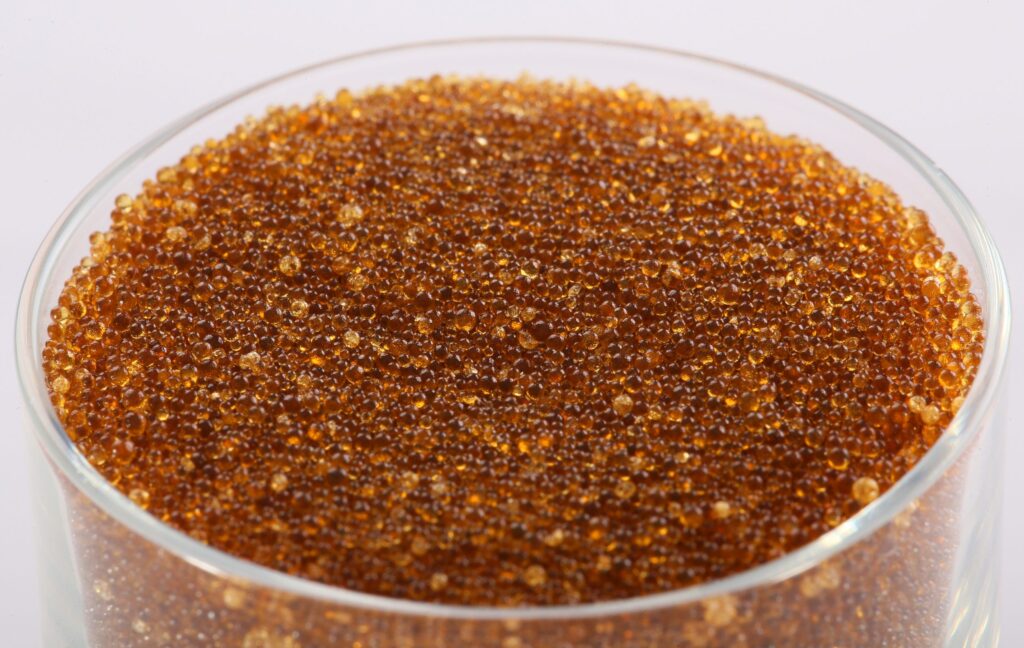
INDION weak acid cation resin works by exchanging nickel and other metal ions from water while the resin is in sodium form. The resin’s carboxylic acid functionality gives it high capacity for divalent cations and makes it effective for metal ion removal in demanding water conditions.
The resin also supports efficient regenerant use, making it suitable for long-term industrial operation.
Suitable for High TDS Water
The acrylic matrix structure supports a high concentration of carboxylic exchange groups, which helps the resin perform well in high TDS water applications. This makes it a practical choice for industrial systems that need strong nickel removal along with stable operating efficiency.
Mechanism of Nickel Removal
During service, nickel ions are exchanged by the resin as water passes through the treatment bed. The resin captures nickel while releasing sodium, allowing the water to move through a controlled ion exchange cycle.
Treatment and Regeneration Chemistry
Nickel removal and resin regeneration happen through a simple exchange cycle.
Nickel Removal Scheme for High Nickel Content Water
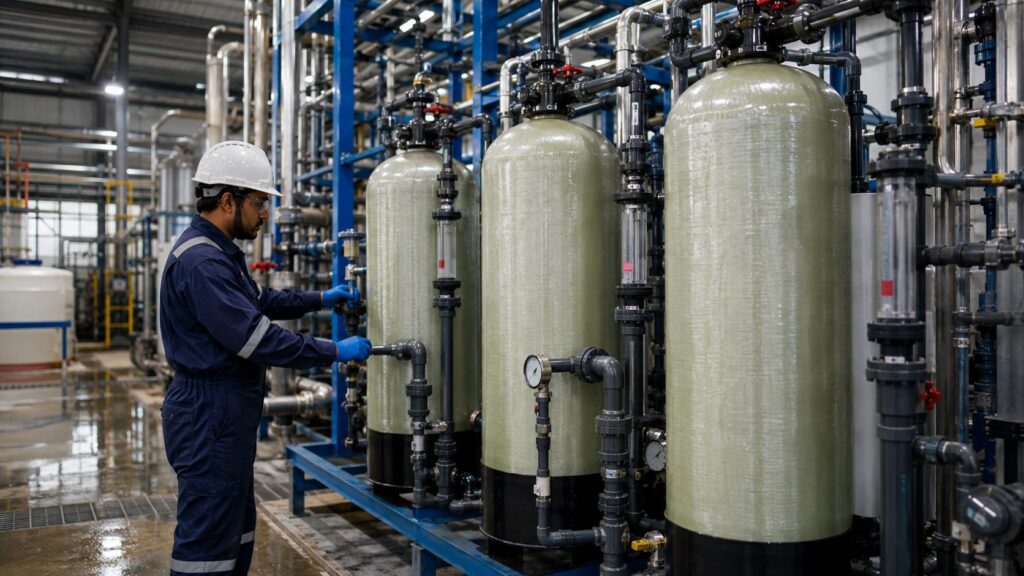
For high nickel content water, a two-stage WAC system can be used with a primary tank followed by a polishing tank. The primary stage handles bulk nickel loading, while the polisher helps achieve a cleaner final output before regeneration.
Inlet water enters the primary tank.
Nickel is exchanged in the service stage.
Water moves to the polisher tank for final treatment.
The resin is regenerated using HCl followed by NaOH.
If your water stream contains nickel, INDION resin solutions can help you build a more efficient and dependable treatment system. Share your application details to find the right resin choice and process configuration for your requirement.